Fashion Buying Intelligence: A Clearer View Before the Next Order
A practical guide to connecting sales evidence, stock, supplier offers and buying budgets—so fashion retail teams can review the next order with clearer context.
A bestseller sells out while slow-moving stock occupies the shelves. Before the next buying season, the question is not simply how much to order: it is how to bring the evidence behind that order into one conversation. This article explores a practical role for Avyaa AI in fashion retail buying, from assortment review to supplier comparison and human approval.
The buying decision
Before asking what to buy next, bring together what sold, what remains, and what the business has already committed to.
DEQX Editorial Team
01 / Read the assortment
A bestseller is only part of the story.
A popular style can sell out while other sizes or colours remain on the shelf. Looking only at total sales makes these differences easy to miss. The buying conversation becomes more useful when the team can see the assortment at the level where decisions are made.

01Compare like with like
Review sales by store, category, size and season. A strong result in one location may not justify repeating the same order everywhere. Note when a style was available, how long it was on sale and which variants customers could actually buy.
02Look beyond units sold
Margins, returns and ageing stock add context to revenue. A fast-moving item with frequent returns deserves a different conversation from an item that sells steadily at the intended margin. Bring these signals into the review before repeating last season’s order.
03Separate evidence from assumptions
Sales history describes what happened under specific conditions. Availability gaps, promotions and seasonal timing can affect the picture. Record the assumptions behind the next buy so the team can revisit them later.
02 / Budget context
See the commitment before approving the purchase.
A buying budget is most useful when the proposed order is considered alongside stock already held and orders already committed. Agree which figures are current and how the business accounts for them.
ON HAND
What is already in stock?
Review remaining assortment and ageing stock before adding more of the same category or variant.
COMMITTED
What is already on order?
Include approved purchases that have not yet arrived. A pending delivery may change the replenishment decision.
PROPOSED
What does this proposal add?
Make quantities, expected arrival and the impact on the agreed buying budget visible before approval.
03 / Supplier comparison
An attractive unit price is only the beginning.
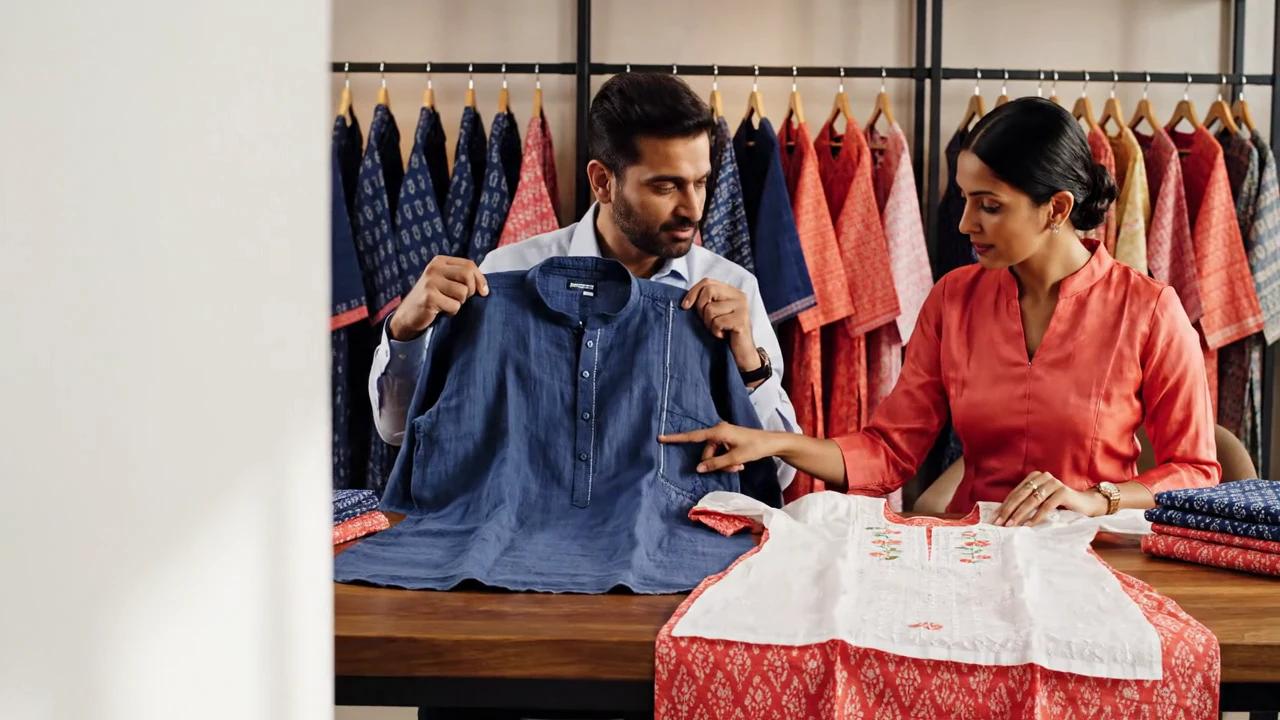
A lower price may come with a larger minimum order, a longer lead time or different payment terms. Buyers need to compare the full commitment and whether it fits the season and assortment plan.
01Review price and quantity together
Compare supplier offers on the same basis, including the minimum quantity and variant mix. A discount that requires a much larger order changes stock exposure as well as the headline cost.
02Connect lead time to the selling window
Consider when the goods can arrive and whether that timing suits the intended season. Make uncertain delivery assumptions visible instead of treating an indicative date as a confirmed commitment.
03Keep the decision traceable
Capture the offer version, commercial terms and reason for selection. Avyaa’s proposed workflow brings supplier information into the buying review; the exact sources and integrations are agreed during implementation.
04 / Trends and scenarios
Use trends to ask better questions.
Colour, style and seasonal signals can help a team explore an assortment. Their usefulness increases when they are considered alongside the retailer’s own sales evidence, customer mix and stock position.

01Keep the source and scope visible
Use approved trend sources with agreed access. A signal from a different market or customer group needs interpretation before it informs a local buying plan. A trend is an input to discussion, not a guarantee of demand.
02Compare a cautious buy with a larger order
Lay out two practical options using the same assumptions. Show how quantities affect budget commitment and remaining stock exposure. Include what would need to be true for the larger order to make sense.
03Record why the buyer chose an option
The value of a scenario is the discussion it supports. Keep the buyer’s judgement, assumptions and approval attached to the decision, then review them against actual outcomes.
05 / Replenishment
Sometimes the next move is not another purchase.
A stock review can reveal a need to replenish, a chance to move existing inventory between stores, or an assortment that needs a markdown review. Consider these options together before adding a new order.
01Check availability across the business
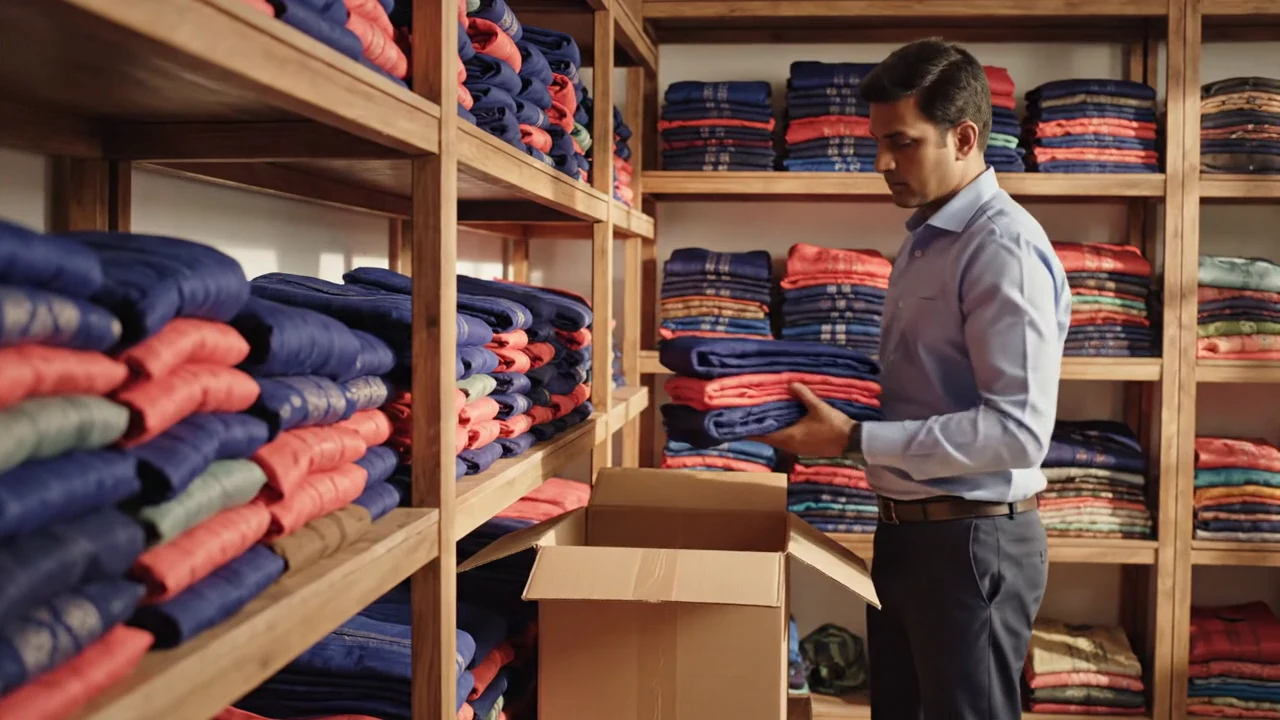
A missing size in one store may be available elsewhere. Review stock accuracy, location and existing commitments before treating every shelf gap as a new buying requirement.
02Prepare options for a person to review
Avyaa’s walkthrough presents reorder, transfer and markdown options as decision support. Each option should carry the relevant stock context and follow the retailer’s approval process.
03Close the learning loop
Review what happened after a decision: what arrived, what sold, what was returned and what remained. Use those observations to improve the next review rather than relying on a single headline measure.
Start with one category
Build a buying workflow the team can explain.
Avyaa AI is presented here as a configurable decision-support approach for fashion retailers. Sales, inventory, supplier offers and budgets come together around the buyer’s decision; integrations and external feeds depend on agreed access and configuration.
01Agree the question and data sources
Choose a category, a buying cycle and a recurring decision. Identify the sales, inventory, purchase-order and supplier information needed, including who owns its quality and how often it is refreshed.
02Define approvals and exceptions
Specify which recommendations need review, who approves a commitment and how missing or conflicting information is handled. Purchase authority stays with the buying team.
03Evaluate against a baseline
Review preparation time, completeness of supplier comparisons, budget exceptions and how easily the team can trace decisions. Track stock and sales outcomes in context; do not attribute every change to the tool.
04Expand after the workflow proves useful
Start narrow, review the team’s feedback and address data gaps. Extend to other stores or categories when the process is clear enough to repeat.
Questions from retail teams
Planning a fashion buying intelligence workflow
What is fashion buying intelligence?
It brings sales performance, stock, supplier information and buying budgets into a shared review so buyers can compare options with clearer context.
Does Avyaa AI place purchase orders automatically?
The workflow presented in this article keeps approvals with buyers. It supports comparisons and prepares options for review; it does not imply automatic purchasing authority.
Can trend signals guarantee what will sell?
No. Trends are inputs to a decision. They need to be considered alongside the retailer’s own evidence, customer mix, timing and assumptions.
Which systems can be connected?
The scope is agreed around the retailer’s sales, inventory, supplier and buying processes. Available integrations and trend feeds depend on system access and configuration.
How does this relate to connected commerce?
Connected commerce focuses on the customer’s path from discovery to purchase. Buying intelligence focuses on the assortment and commitments behind that experience. Both benefit from consistent product, stock and order context.
Explore Avyaa AI
Bring a real buying decision to the table.
Start with one category, one seasonal question and the systems your team already uses. Discuss a tailored fashion procurement demonstration with DEQX.
Book a tailored discussionContinue reading
Connect the assortment to the customer journey.
Explore how product discovery, customer conversations and order operations fit together in our companion article.
Read Connected CommerceAbout this article
An illustrated product perspective
The video and stills illustrate the proposed Avyaa fashion buying experience. They are not customer testimonials or evidence of a deployed result. The images are WebP stills from the video’s illustrative scenes.
More Recent Insights
Stay up-to-date with our latest findings and perspectives.

Connected Construction: From the First Enquiry to Project Handover
Explore how Avyaa AI can connect construction enquiries, draft estimates, procurement, site updates and handover, with human review at each decision.

AI Voice Agents for Kerala NBFCs: Giving Every Call a Clear Next Step
How Avyaa AI can support NBFC enquiries, document follow-ups and Malayalam conversations, with connected records and clear handoffs to staff.
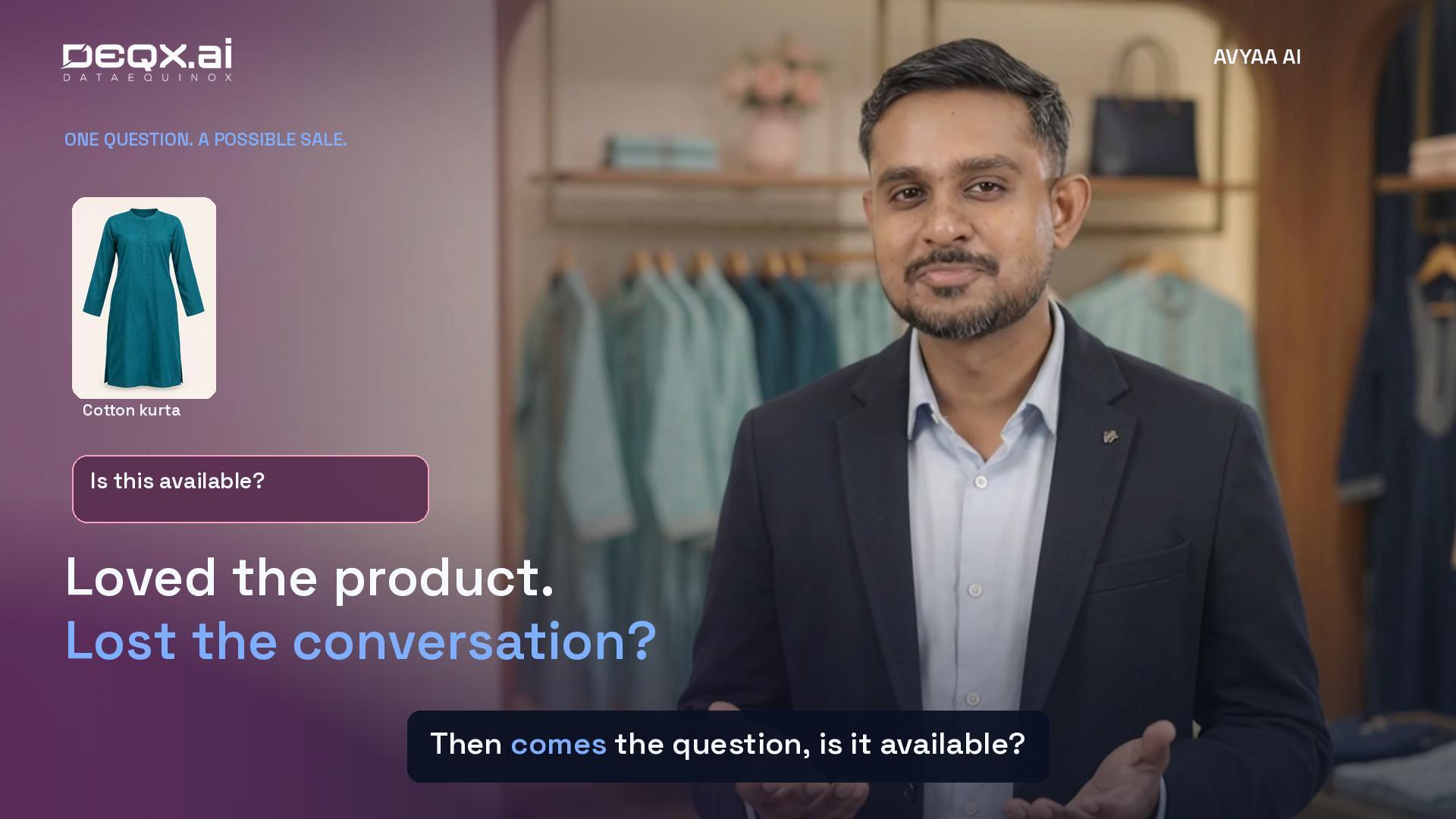
Connected Commerce: Bringing Customer Conversations Closer to the Purchase
From the first product question to the packed order: a visual guide to connected commerce, the information it needs, and the role Avyaa AI Commerce can play.