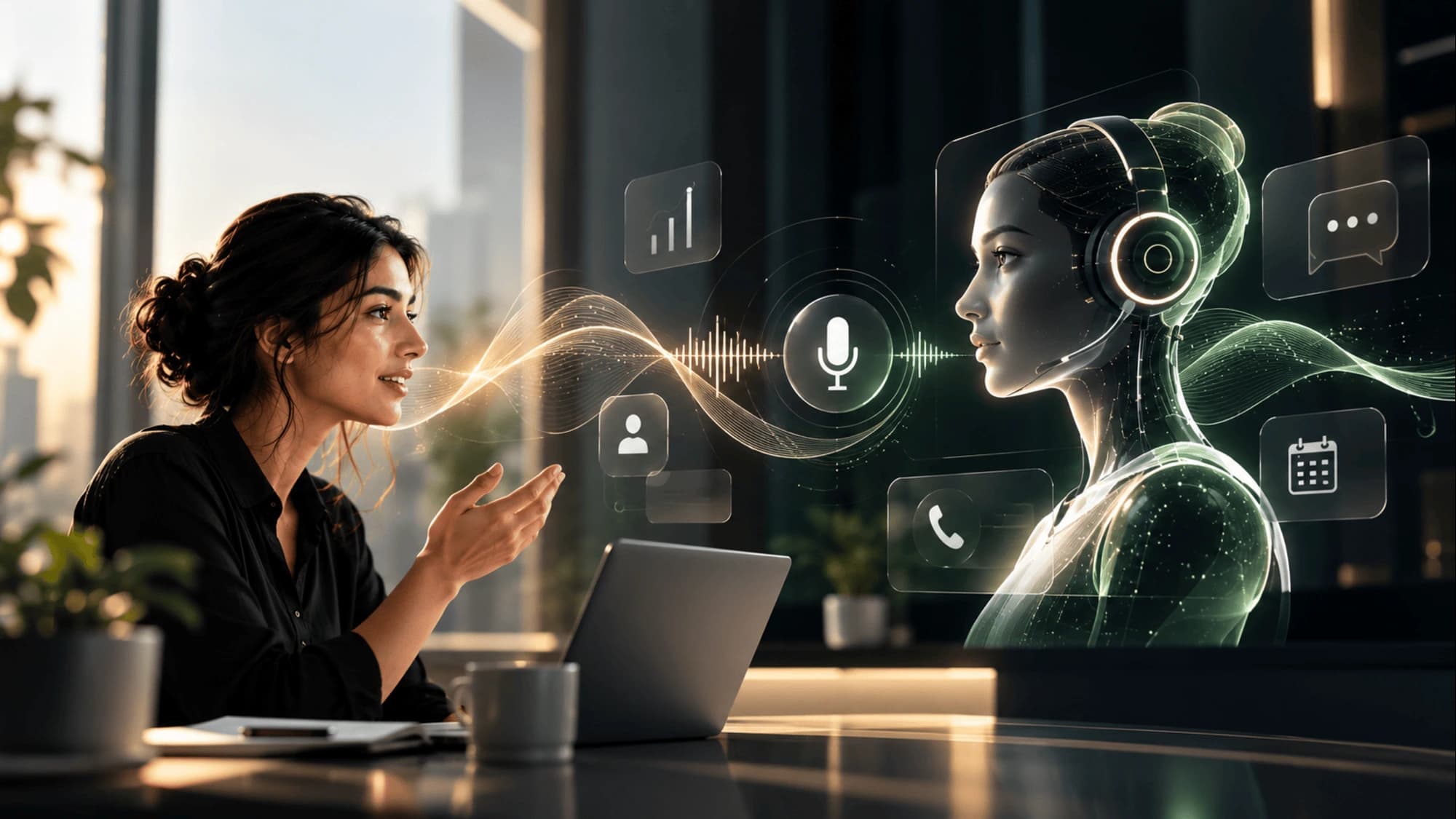
Instagram Muse AI: Meta’s Personal AI Agent for Creators

What Instagram Muse AI is, how Meta’s Muse personal AI agent works for creators, key use cases, benefits, limitations, and privacy considerations—plus what the shift from generative AI to agentic AI means for social workflows.
Editorial note: Meta’s Muse product surface, availability, and Instagram creator features are evolving quickly. Facts below prioritize Meta’s official Muse announcement and reputable industry reporting. Always verify current capabilities in Meta’s latest documentation before making operational decisions.
What is Instagram Muse AI?
Instagram Muse AI is the creator-facing way people talk about Meta’s Muse personal AI agent when it is connected to Instagram. According to Meta’s Instagram for Creators announcement, Muse is “the first personal AI agent from Meta that proactively helps with your goals and suggests ideas”—not another chatbot that only waits for questions. Read Meta’s official Muse introduction.
Meta describes Muse as able to stay on top of tasks, draft and send emails, manage calendars, turn goals into action plans, and build custom tools—while becoming more useful as users connect email, calendar, Instagram, and other apps. For creators, the Instagram connection is the important unlock: Muse can work from official Meta-platform context once access is approved.
Availability has been described by Meta as rolling out in the US on iOS, Android, and muse.ai, with broader expansion expected over time. Treat any single feature list as point-in-time, not permanent product truth.
AI chatbot vs AI agent: why the distinction matters
A traditional AI chatbot is primarily conversational and reactive. You ask; it answers. An AI agent is designed to pursue goals with tools, memory, and workflows—sometimes continuing work after you leave the chat. Meta explicitly frames Muse this way: traditional assistants wait for prompts, while Muse is proactive, remembers what matters, and can work across connected apps
In practical creator terms:
A chatbot might summarize last week’s Instagram Insights if you paste screenshots.An agent with Instagram access can be asked to monitor account signals, prepare summaries, and remind you about follow-ups—within the permissions and approvals you configure.Agentic systems introduce new trust requirements: permissions, approval gates, auditability, and clear human oversight for actions that affect your brand or audience.
This shift from generative AI (content creation) to agentic AI (task execution and orchestration) is reshaping how enterprises and creators design AI workflows. DEQX’s work in AI Transformation and AI Automation & Intelligent Agents focuses on that same transition—with governance, not hype, at the center.
How Instagram Muse AI works for creators
Meta’s creator announcement outlines a simple Muse experience with tabs such as Chat, Feed, Ideas, Goals, and Artifacts. Creators connect apps so Muse has context; Muse then helps turn goals into plans, reminders, research, and custom tools. Separately, industry coverage of Meta’s Connect-era demos has highlighted Instagram-specific creator assistance after Muse is approved to access Instagram information.
Social Media Today reported that once a creator grants Muse access to Instagram info, the agent can provide strategic recommendations, collaboration opportunity alerts, offer analysis against industry averages, creative playbook guidance, account/action summaries, and reminders. See Social Media Today’s Muse creator overview.
Important nuance: Meta’s official creators post emphasizes Muse as a personal life-and-work agent with Instagram as a connector. Third-party reporting adds detail on Instagram creator workflows demonstrated around Meta Connect. Where those sources diverge, we treat Meta’s documentation as primary for product definition and reporting as secondary for emerging creator use cases.
Instagram Muse AI features and creator use cases
Below are the most commonly discussed Instagram creator use cases. These are capability themes—not a guarantee that every account has every feature today.
1. Instagram and account insights
Creators can ask Muse about account performance and activity when Instagram access is granted. The value proposition is less copy-paste analytics and more conversational interpretation of official platform data—what performed, what stalled, and what may deserve a follow-up.
2. Content and creative strategy
Reporting describes Muse providing a creative playbook / strategic guidance for Instagram. Meta also notes Muse can suggest caption copy for review and support content-calendar style goal tracking. That is strategy assistance and drafting support—not automatic publishing of a finished brand system.
3. Collaboration opportunities
Muse can alert creators to collaboration opportunities surfaced through Meta’s ecosystem context. For creator businesses, that can reduce time spent scanning inboxes and DMs for brand-fit deals—while still requiring human judgment on brand alignment and contract terms.
4. Offer benchmarking
A frequently cited Muse creator capability is analyzing collaboration offers against industry averages. This can help creators negotiate more confidently, but averages are not personalized valuation models. Treat benchmarks as decision support, not a substitute for your rate card or legal review.
5. Account and activity summaries
Account and action summaries help creators regain situational awareness after busy production days. Summaries are most useful when paired with a recurring review ritual—weekly goals, unanswered brand threads, and posting cadence checks.
6. Reminders and follow-ups
Meta highlights reminders and proactive nudges tied to goals—for example, posting reminders or training goals. For creators, follow-ups on brand replies, deliverables, and publishing cadence are where agentic assistants create measurable time savings.
Benefits for creators, marketers, and businesses
- Creators: Faster insight reviews, clearer collab triage, and less administrative drag around reminders and summaries.
- Marketers and social teams: A preview of agentic workflows that combine platform-native data with task automation—especially relevant for Instagram-heavy programs.
- Businesses: A signal that social operations are moving from generative content tools toward agents that can monitor, summarize, and propose next actions.
For brands investing in AI-assisted growth, Muse-style agents sit next to broader digital marketing systems: analytics, content operations, paid media, and conversion workflows. The winners will pair agent productivity with brand governance.
Limitations: what Muse is not (yet)
Balanced evaluation requires clear limits:
- Feature availability varies by region, platform surface, and Meta’s rollout schedule.
- Muse is strongest inside Meta’s ecosystem context; multi-platform social management still needs other tools and humans.
- Creative quality, brand voice consistency, and campaign strategy remain human-led responsibilities.
- Offer benchmarks and recommendations can be wrong, incomplete, or outdated relative to your niche.
- Agent actions create operational risk if approval settings are too permissive.
DEQX’s perspective: treat Muse as an emerging Instagram AI assistant and personal agent layer—not as a finished replacement for your content studio, agency, or social media manager.
Privacy, permissions, and security considerations
Delegating work to an AI agent is a trust decision. Meta’s Muse announcement describes layered safety and privacy controls, including:
- User control and approvals for more sensitive actions (for example, purchases or sending email); Meta states Muse will not post without approval unless settings are changed.
- Muse Secure VM: a dedicated secure computer environment for Muse work.
- Hard policy limits and refusal of requests that violate policies.
- Built-in privacy statements: Muse has no visibility into passwords or payment methods; credentials shared for agent use are stored securely; Meta states Muse will not share Virtual Machine conversations or data with Meta’s ad systems.
- Memory controls such as asking what Muse remembers and using a Forget skill for specific topics or people.
Creators and brands should still apply standard security hygiene: grant least-privilege connectors, require approvals for publishing and payments, periodically review what Muse remembers, and avoid sharing secrets in chat that are not needed for the task.
Can Muse replace social media managers?
Short answer: Muse can automate parts of the job; it should not be assumed to replace the full role.
Social media managers combine platform literacy with brand strategy, community judgment, crisis response, cross-channel planning, creative direction, stakeholder communication, and measurement. Muse-like agents can compress analytics review, reminder loops, inbox triage, and first-draft planning. They do not remove accountability for brand risk, tone, legal claims, or multi-platform orchestration.
A durable operating model looks like this: agents prepare; humans decide; systems log. That is the same pattern enterprises use when adopting intelligent agents in customer operations and marketing—augmentation with oversight, not unsupervised autonomy.
From generative AI to agentic AI in social workflows
Generative AI helped teams draft captions, scripts, and creative variants. Agentic AI aims to close the loop: observe account state, propose a plan, execute approved steps, and follow up. Instagram Muse AI is one consumer-facing example of that transition inside a major social platform.
For organizations, the strategic question is larger than any single Meta feature: Which workflows should remain human-only? Which can be agent-assisted with approvals? How do you evaluate ROI, privacy exposure, and brand risk? DEQX helps teams answer those questions through practical AI transformation programs and governed agent architectures—not tool chasing.
Practical recommendations if you are evaluating Muse
- Start with read-and-recommend workflows: insights, summaries, and reminder drafts.
- Keep publishing, payments, and outbound brand replies behind explicit approvals.
- Document what Muse is allowed to access and what remains out of scope.
- Compare Muse recommendations against your own analytics and rate card before acting.
- Revisit Meta’s official docs regularly; agent products change faster than most marketing stacks.
How DEQX can help
If your team is exploring AI assistants for Instagram creators, brand social operations, or broader agentic automation, DEQX can help you design the operating model around AI Transformation, AI Automation & Intelligent Agents, and Digital Marketing. The goal is measurable productivity with clear human oversight—especially as platforms introduce personal AI agents into everyday creator and marketing workflows.
Sources and further reading
- Introducing Muse: Your Personal AI Agent (Instagram for Creators)
- How can Instagram creators use Muse AI agents? (Social Media Today)
Last reviewed for accuracy against publicly available Meta and industry sources as of October 2026. Product labels such as “Instagram Muse AI,” “Meta Muse AI,” and “Instagram AI agent” are used here as search-friendly descriptions of Muse’s Instagram-connected creator use cases.
Building AI agents for your business?
Let's TalkMore Recent Insights
Stay up-to-date with our latest findings and perspectives.